
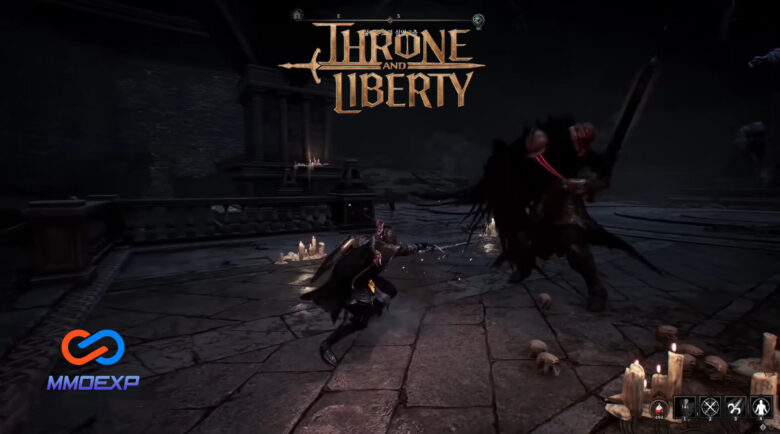
Throne and Liberty, the highly anticipated MMORPG from NCSoft, has generated immense excitement in the gaming community with its vast world, engaging lore, and dynamic combat system. While many players gravitate toward DPS (damage-per-second) builds for more aggressive playstyles, the role of a support character is just as crucial in ensuring the success of a team or raid. A well-crafted support build can turn the tide of battle, providing healing, buffs, debuffs, crowd control, and strategic advantages.
In Throne and Liberty, the variety of classes, skills, and customization options means that players can experiment and refine their builds to suit their playstyle. Here, we will explore five of the best support builds that can enhance any party’s performance in PvP, PvE, and endgame content. These builds focus on providing utility, healing, and assistance to your team while also ensuring that you have a solid role in combat.
1. The Healer Build: Maximizing Healing Power
The Healer is one of the most important support roles in any MMORPG, and Throne and Liberty Lucent is no exception. While many combat encounters require heavy damage dealers, having a dedicated healer in the party ensures that your team survives through tough fights and can sustain themselves in prolonged battles.
Key Stats and Skills:
Primary Focus: Healing, buffs, and survivability
Important Stats: Intelligence (for healing output), Wisdom (for mana regeneration), Vitality (for survivability), Spirit (for resistance against debuffs)
Key Abilities: Healing Circle, Divine Restoration, Purify, Barrier of Light
Strengths:
Sustainability: The core of this build revolves around ensuring your allies remain alive through constant healing. Skills like Healing Circle can heal multiple targets at once, and Divine Restoration can restore large amounts of health in critical moments.
Survival Buffs: This build also focuses on increasing the survivability of your team with Barrier of Light (a shield that absorbs damage) and Purify, which removes debuffs like poison or stun effects.
Mana Efficiency: A good Healer build can manage mana efficiently by focusing on Wisdom and utilizing abilities that reduce mana costs, allowing you to heal without exhausting your resources.
Weaknesses:
Low Damage: While the Healer excels in keeping the team alive, their personal damage output is usually low. They rely heavily on others to deal damage while they maintain control over health and buffs.
Vulnerable in Solo Play: As a Healer, you’ll generally be dependent on teammates for defense, making solo play challenging, especially in PvE scenarios or open-world PvP.
2. The Buff Support Build: Amplifying Damage and Defense
A Buff Support Build is designed to enhance the overall effectiveness of your team by providing buffs that increase damage, defense, and movement speed. While this role is often overlooked, it’s crucial in many high-end encounters where every percentage point counts.
Key Stats and Skills:
Primary Focus: Buffing team’s combat abilities, reducing debuffs
Important Stats: Strength (for buffing damage), Endurance (for buffing defenses), Dexterity (for movement speed and agility buffs)
Key Abilities: Battle Hymn, Rallying Cry, Empower, Speed of the Wind, Guarding Shield
Strengths:
Damage Amplification: Skills like Battle Hymn and Rallying Cry increase the damage output of your allies, making this build especially valuable in raids and boss fights.
Defense Buffs: The Guarding Shield skill provides significant damage mitigation to your party, allowing your DPS and Healers to stay alive longer.
Speed Buffs: The Speed of the Wind ability increases movement speed, allowing your team to dodge attacks more effectively and reposition quickly during high-stakes moments in battle.
Weaknesses:
Requires Good Timing: Buffs are often time-sensitive, so you need to time your abilities correctly to get the maximum benefit. Missing the right window can lead to wasted resources and inefficiency.
Limited Impact on Solo Play: Much like the Healer, a Buff Support role is not ideal for solo content. Your true value comes in team-based play where the team can capitalize on the buffs you provide.
3. The Crowd Control (CC) Build: Disrupting the Enemy’s Plans
Crowd Control (CC) is another crucial aspect of support roles, as it focuses on disabling or hindering enemy movements, attacks, and abilities. A CC Support Build excels at controlling the battlefield, ensuring that enemies are unable to act freely while your team members focus on dealing damage or completing objectives.
Key Stats and Skills:
Primary Focus: Disabling enemies, controlling the battlefield
Important Stats: Wisdom (for faster cooldowns), Intelligence (for additional CC effectiveness), Dexterity (for better positioning)
Key Abilities: Chain Stun, Gravitational Pull, Ice Prison, Searing Bind, Sleep Dart
Strengths:
Disruption: The Chain Stun and Gravitational Pull abilities are great for locking down enemies, preventing them from using abilities that can wipe out your team. Ice Prison creates barriers that can trap enemies, while Searing Bind can slow or immobilize targets, rendering them vulnerable.
Control over High-Risk Targets: When fighting against powerful bosses or PvP opponents, your role is to limit the enemies’ ability to retaliate. CC abilities can break enemy combos, interrupt spells, and buy your team more time.
Versatility in Combat: This build can be effective in both PvE and PvP, where crowd control can make a massive difference in both small skirmishes and large-scale battles.
Weaknesses:
Dependence on Coordination: The effectiveness of crowd control can be mitigated if your team does not follow up quickly enough or if enemies have skills that counter CC. Timing and coordination are key.
Limited Mobility: CC-focused builds tend to be more stationary, requiring you to position yourself well. This can make you vulnerable if you are caught out of position.
4. The Hybrid Support Build: Flexibility for Any Situation
A Hybrid Support Build combines elements from healing, buffing, and crowd control to offer maximum versatility. The idea is to be able to react to any given situation and adjust to your team’s needs, whether it’s healing an injured tank, buffing a damage dealer, or crowd-controlling an enemy in a tense moment.
Key Stats and Skills:
Primary Focus: Adaptability, covering multiple support functions
Important Stats: Vitality (for survivability), Intelligence (for healing and damage buffs), Spirit (for controlling debuffs)
Key Abilities: Protective Aura, Reinforcement, Group Heal, Temporal Shift, Barrier Blast
Strengths:
Adaptability: This build allows you to fill multiple support roles in one. You can heal allies when necessary, buff your team for higher damage output, and even crowd control enemies when the need arises.
All-Rounder: In dynamic team setups, where you might face both PvE bosses and PvP opponents, the Hybrid build allows you to switch between healing, buffing, and controlling the battlefield effectively.
Survival Tools: Reinforcement and Protective Aura provide defensive tools, while Group Heal offers potent healing over time, making you a resilient and adaptable asset to your team.
Weaknesses:
Resource Management: Managing all these abilities effectively can be draining on your resources, especially in longer fights. Balancing between healing, buffing, and CC requires good timing and resource management skills.
Less Specialized: While you can do everything, you may not be as strong in any one area compared to other dedicated support builds. For example, your healing output may not match a pure Healer build, and your CC might not be as effective as a dedicated CC Support.
5. The Tank Support Build: Keeping Allies Safe
A Tank Support Build focuses on absorbing damage for your team, positioning yourself between enemies and your allies to ensure the squishy members of the party stay alive. This build combines elements of damage mitigation with support abilities that buff or heal your team while you take the brunt of the damage.
Key Stats and Skills:
Primary Focus: Damage mitigation, aggro control, protecting allies
Important Stats: Endurance (for tanking), Vitality (for health), Strength (for taunting and damage control)
Key Abilities: Taunt, Shield Bash, Unyielding Defense, Protective Barrier, Reinforce
Strengths:
Aggro Control: By using Taunt and Shield Bash, you can redirect enemies’ attacks toward yourself, preventing them from attacking weaker party members.
Defensive Buffs: Abilities like Protective Barrier and Unyielding Defense increase your defense and absorb damage for your team. The Reinforce skill can improve your team’s damage output while you stand as the frontline protector.
Survivability: With high endurance and defensive abilities, this build is capable of withstanding heavy damage while also giving your team time to deal damage and heal.
Weaknesses:
Requires High Focus on Defense: A Tank Support build often sacrifices offensive capabilities for defensive ones, which may make you less effective in dealing damage.
Risk of Being Isolated: Tanks often find themselves in the thick of the battle, which can make them vulnerable if not properly supported by the team.
Conclusion: Tailoring Support Builds to Your Playstyle
In Throne and Liberty, support builds are essential for long-term success in any group content. Whether you prefer to focus on healing, buffing, crowd control, or tanking, each support build has its own unique advantages that can make a massive difference in the outcome of your team’s performance.
Ultimately, the best support build is the one that complements your team’s strategy, suits your playstyle, and adapts to the challenges ahead. TL Lucent for sale flexibility and deep customization options make it possible to experiment with different builds and adjust them to fit the ever-changing dynamics of the game.